*306
proposed
A306 · U+1065A
Our readings
- ʿa
- Value
Across the scripts
Linear A
A306
Linear B
no Linear B sign
As the scribes wrote it
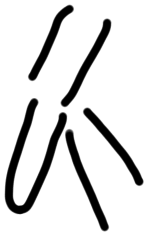
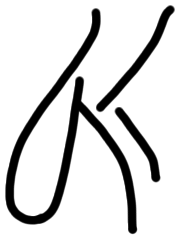
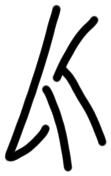
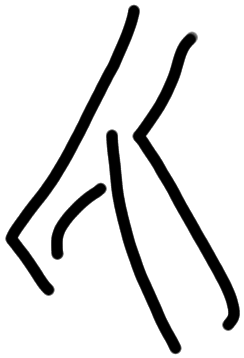
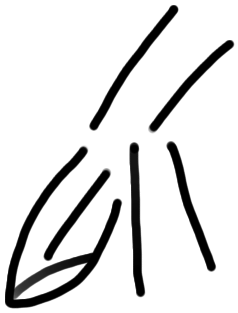
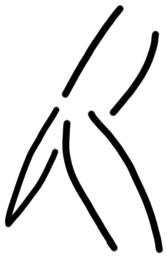

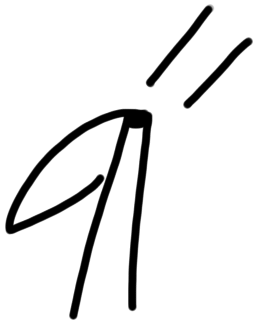
8 of SigLA’s 18 tracings read with certainty, the most-traced site first, shown light on dark. Tracings: SigLA, Salgarella and Castellan, CC BY-NC-SA 4.0
Where it is written
- Haghia Triada9
- Khania9
- Arkhanes1
20 times in 19 documents
Read in
- *306ʿabdu ‘servants: ʿabdu written by its first sign’Candidate
- *306-TA-JEʿaṭāye ‘gift, offering (votive label)’Candidate
- *306-TI-KA-A-REʿatīq+are ‘the ancient, the noble (heading)’Candidate
- *306-TUʿAttu ‘personal name (cf. Hebrew ʿAttay)’Candidate
8 entries written with it
Why these values
- ʿa
ʿ leads by one word (7/7 against 6/7 for p, r, l, n, m, w); the anchor *306-QE-DU (KH21) is read *306 · 100[ in GORILA. The alternation with A (*306-TI-KA-A-RE, HT4, beside A-TI-KA-A, ZAWc2) makes *306 a laryngeal with a, which removes p, r, l, n, m and w; it rests on one long pair
Commentary
Voiced pharyngeal fricative. Fills the highest-priority gap in the phonemic inventory (ayin). 23 occurrences across Haghia Triada, Khania, Arkhanes, Fourni. 8 standalone occurrences at Khania suggest acrophonic/abbreviatory administrative use. Salgarella takes the dotted Khania form of A 306 (KH 11.3, 11.6, 19.1, 84.2) for a possible graphic source of Linear B *42 wo, which H 124-A in the Room of the Chariot Tablets draws without its bottom line; the lateral curl aside, the shapes match, and the hapax A 350 (KH 11.5) is her alternative candidate (Salgarella 2020, 157, 171, 246, 296). The Linear A antecedents of the o-series remain controversial (Salgarella 2023, 411 n. 9). Davis lists *306 among the apparently syllabic Linear A signs absent from Linear B, ‘strong evidence that LB did not borrow all LA syllabic signs’ (2026b, 96 and n. 387), and expects some of the still-untransliterated signs to ‘represent additional Minoan fricatives, most likely /x/ and/or /h/’ (2026b, 169, Implication 16). ʿ is a fricative Greek lacked.